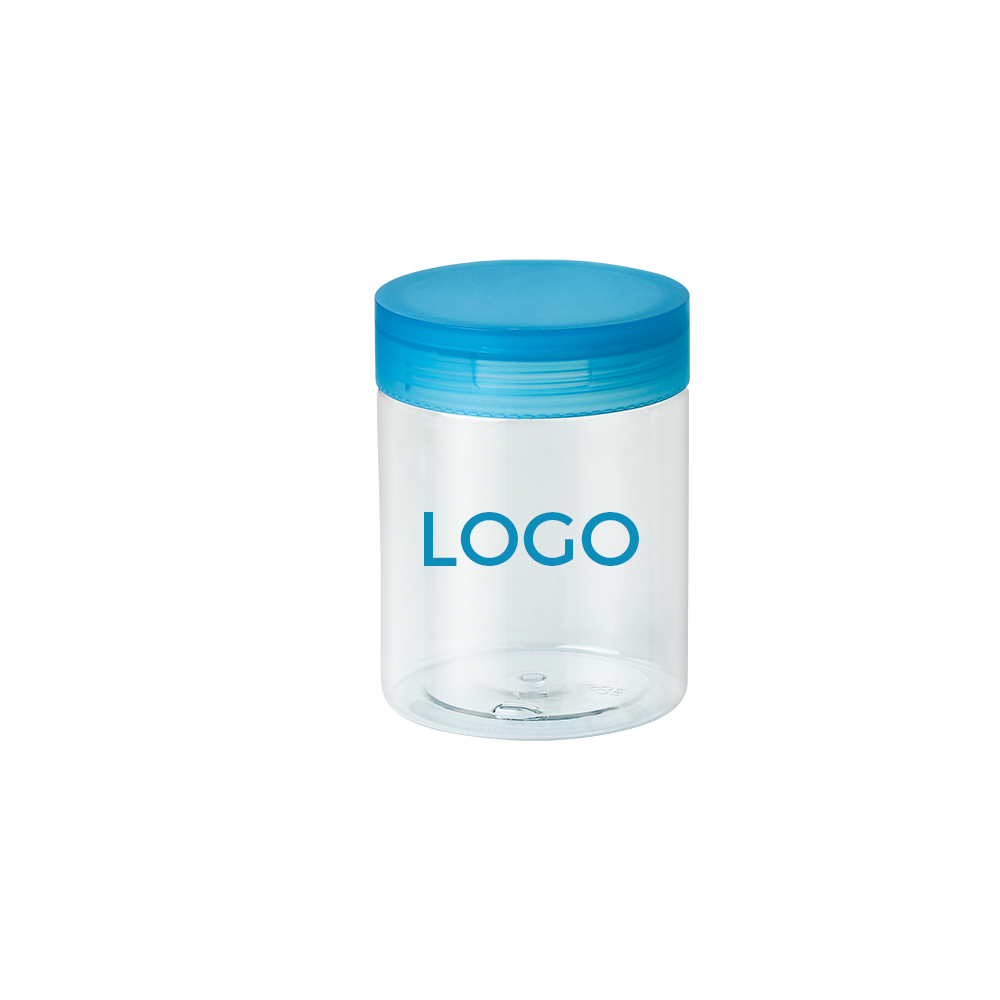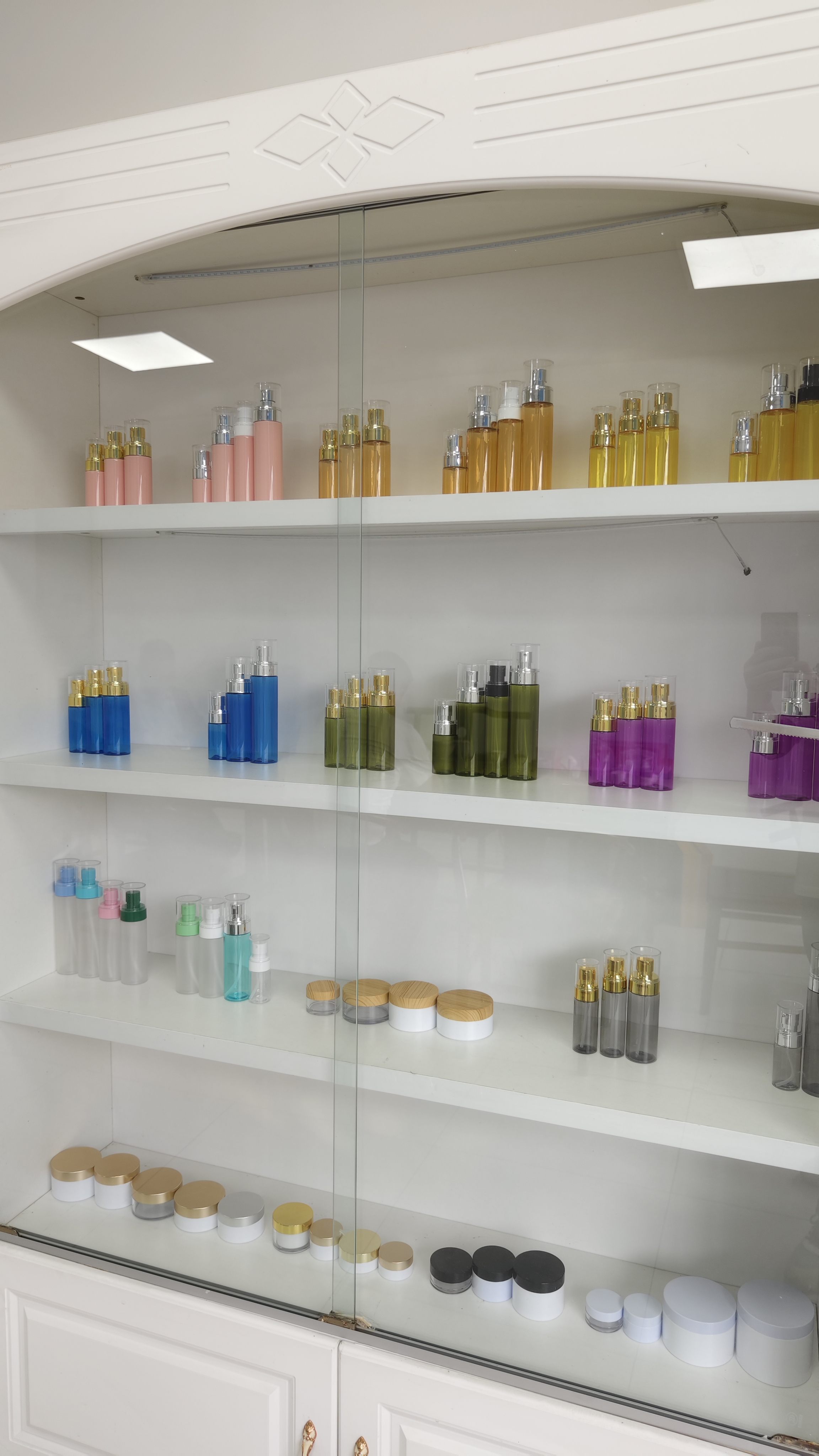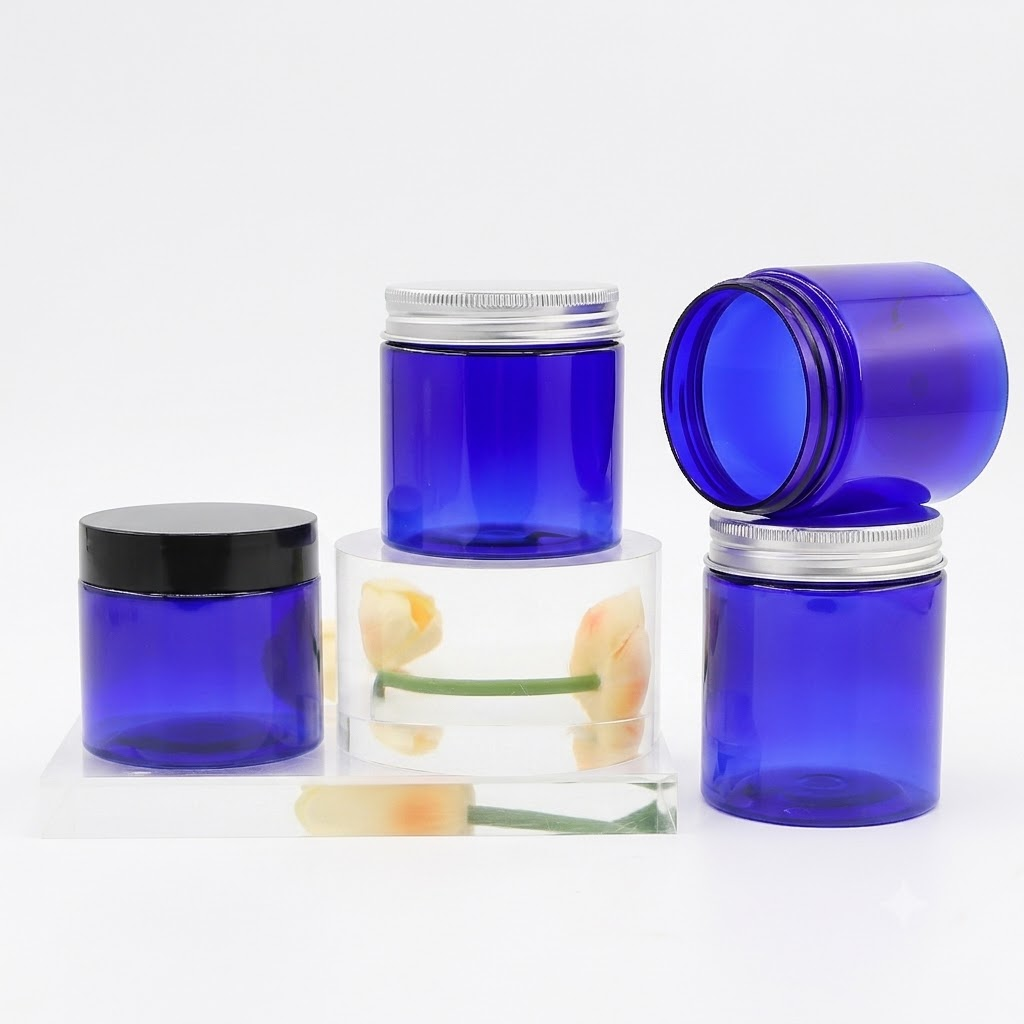

Custom Logo Cream Jar Supplier: 5 Decoration Methods
The jar shape is settled. The mold is cut. What decides how expensive the jar looks is the logo.
One logo, five ways to put it on. Cost differs by a multiple. Durability differs by an order of magnitude.
Pick wrong and the problem is not ugliness. It is wear that starts in month three.
1. Five ways a logo gets onto a jar
Silk screen. The default. Solid color, strong opacity, good rub resistance. One to four colors is the common range.
It cannot do gradients. Strokes below 0.15 mm fill in. Every extra color adds a screen and a pass. Ask a silk screen printed cream jar supplier for the screen count before the artwork is fixed.
Hot stamp. Metal on plastic. Best effect on a dark jar.
No gradients. A curved surface needs a fixture and a silicone pad. A hot stamping cosmetic jar manufacturer quotes that fixture as part of the job, because the pad is shaped to your curve. On a frosted surface, adhesion drops a grade.
UV print. Full color, gradients, photo-grade. No plate fee.
Adhesion is the weak point. Most jobs need a primer coat. A UV coating cosmetic jar supplier that skips the primer is selling a print that fails the ethanol rub. Alcohol rub resistance is below silk screen. Each piece takes longer.
Spray base plus laser. Light type cut out of a deep sprayed color. Reads as premium.
Only works on a dark base. A light jar cannot produce it.
Labels and transfer. Fastest and cheapest at low volume. Artwork changes cost almost nothing.
Weak against water and oil. Edges lift. Not built for a long shelf life.
One-line rule: high volume with flat color goes to silk screen. Metal look goes to hot stamp. Gradients and multi-color go to UV. A test run goes to labels.
2. The curved surface is the real constraint
This is the part most suppliers skip.
The jar body is a cylinder. A screen is a flat mesh. The smaller the diameter, the harder the registration holds.
The shoulder is where logos fail. If the artwork runs onto the shoulder, you either redraw or accept distortion.
The lid top is flat and prints cleanly. The body is the hardest. The base usually carries only a batch code.
Move a logo from lid to body and the cost can double. Not because the process is harder. Because the yield is lower.
So you do not need a catalogue to test a custom logo cream jar supplier. Ask one question: “On a jar this diameter, three-color screen, what is your registration tolerance.”
A number comes back from a factory that has run it. “No problem, we can do anything” comes from one that has not.
3. Pantone on plastic: why the chip lies
Pantone ships three common books. C on coated paper. U on uncoated. TPX on textile.
Plastic reads closest to U or TPX. Match a C number straight onto a jar and it comes out brighter and more saturated than the chip.
The usual acceptance is ΔE ≤ 1.5 at 95% or better reproduction. That figure is standard in the trade, and it is the one published on our OEM page.
The same number behaves differently by material:
- Acrylic passes light. Color floats and reads brighter than the chip.
- PP is matte. Color sinks and reads darker.
- Glass carries its own tint. Clear and opal white are far apart.
A light ink on a dark jar needs a white base coat. Skip it and the color goes gray and dirty.
For a custom Pantone color cosmetic jar, the chip has to be made on the actual body. One instruction worth passing on: make the chip on your jar, not on paper. Paper approval is not plastic approval.
4. Frosted and matte: mold texture or coating
A frosted cosmetic jar manufacturer picks between two routes. Similar look, very different life.
Mold texture is cut into the tool. It cannot wear off, because it is the surface. Depth is limited by the mold, and the tooling is a one-off cost.
Sprayed matte can be finer and more even, and it can carry a soft-touch feel. It also rubs and dissolves.
You can tell them apart without a lab. Scratch an inconspicuous spot with a fingernail. Powder comes off sprayed matte. Mold texture does not move.
One thing to say early: print and hot stamp adhere a grade worse on a frosted surface.
Frosted plus hot stamp is the combination that causes trouble, especially on the body curve. If the design needs it, plan for higher rework or test harder at sampling.
5. Cost structure, and where the volume line sits
If you are weighing quotes from a custom logo cream jar supplier, separate the one-off costs from the per-unit costs. No prices here. Volume, color count and material move the number too much. Structure is more useful.
Silk screen. A screen per color, one-off. Unit cost falls fastest with volume.
Hot stamp. Plate fee plus foil. Foil is a running cost. Low volume never absorbs it.
UV. No plate. Slow per piece, so small runs can work out cheaper.
Labels. No plate. Artwork changes cost near zero. Good for a test launch.
Laser. No consumable, but it needs the spray base, so the spray cost comes along.
A rough line: under 5,000 pieces, labels or UV usually win. Above 10,000, silk screen pulls ahead. Metal color is the only reason to reach for hot stamp.
The line moves. More colors, a larger print area, a tighter curve, all push it up.
6. How to approve a decoration sample
Do not approve from a photo. A photo always looks better than the part.
Five steps:
- View it in daylight, then under a retail spotlight. Shelves are lit by spots, not white light.
- Cross-hatch and pull tape. The ASTM D3359 method: cut a grid, apply tape, pull fast. Watch whether primer comes with it.
- Rub 20 times with 75% ethanol. Check color transfer and gloss change. That is a normal consumer level of exposure.
- Look at the smallest type. Registration error shows there first. Strokes under 1.5 mm blur before anything else.
- Repeat after thermal cycling. 24 hours at -10°C, 24 hours at 45°C. Cracking and blistering appear at this step.
Last point: a sample passing is not production passing.
Ask three questions. Same ink batch? Same machine? Same operator setting it up? If any answer is “not always”, write the permitted deviation into the contract.
7. Five mistakes that appear after the container ships
One. Artwork supplied in RGB. It shifts when converted to a spot color. Approve a Pantone number or a CMYK build, never a screenshot.
Two. A gradient on a small curved area. It prints with banding. Gradients belong on flat surfaces.
Three. Light ink straight onto a dark jar. No white base, so the color goes gray.
Four. Hot stamp on frosted. It starts lifting in about two weeks, usually in a customer’s hand.
Five. More than four colors. Cost steps up a level while the design stays complicated. You pay more for a busier result.
Send five things with the artwork
Jar type and diameter. Body color. Pantone number or CMYK build. Minimum stroke width in the logo. Target quantity.
With those five, a quote is accurate and a sample usually passes first time.
Leave one out and you buy another round. Send them here and the first reply from a custom logo cream jar supplier should be a question about your curve radius, not a price list.
The methods above apply across our cream jar range, from 15g to 200g. Decoration examples and process combinations are collected under Packaging Design & Branding.