How to Choose a Cosmetic Jar Supplier: 10 Checks
Most bad packaging decisions are not bad jars. They are bad supplier choices.
The jar passed sampling. It looked right. Then something changed.
Three moments expose a supplier: a material switch, a rush order, a defect claim.
So here is how to choose a cosmetic jar supplier, question by question. Not "what styles do you have". The things only a real factory can answer.
1. Factory or trader?
Skip the workshop photos. Anyone can rent a floor for an afternoon.
Ask for a mold number, cavity count and shot weight on a jar they already run. A trader forwards the question.
Ask who adjusts the machine when you change colour. A real cream jar manufacturer answers in parameters: melt temperature, mold temperature, back pressure.
Ask whether they run PP, PET, acrylic and glass. Nobody runs all four. If they say yes, at least one line is outsourced. That is workable. You just need to know which one, because the responsibility chain doubles.
2. Capacity sets lead time, not the sales email
Ask how many injection machines, and at what tonnage. A 50g jar sits in the mid-small range. Machine count sets daily output.
Ask about printing. Silk screen, hot stamp, how many colours, how many lines. Printing is the real bottleneck on cream jars. Not molding.
Ask about August to October. That is pre-season stock-up for Europe and the US. Lead time there is not the March number.
Volume sets your tier. A few thousand pieces means stock colours. Tens of thousands is where custom colour and dedicated printing open up. Most wholesale cosmetic jars pricing starts around 5,000 to 10,000 pieces.

3. Fix the size before you shortlist suppliers
Wrong order, wasted month. Find the supplier first and you get whatever mold they already own.
Use a cream jar size guide before the first call:
The trap: 50g is quoted on water. A cream at density 0.95 to 1.05 lands 5 to 10 percent off. Ask for full capacity and recommended fill. Ask only for "a 50g jar" and you get one that will not fill.
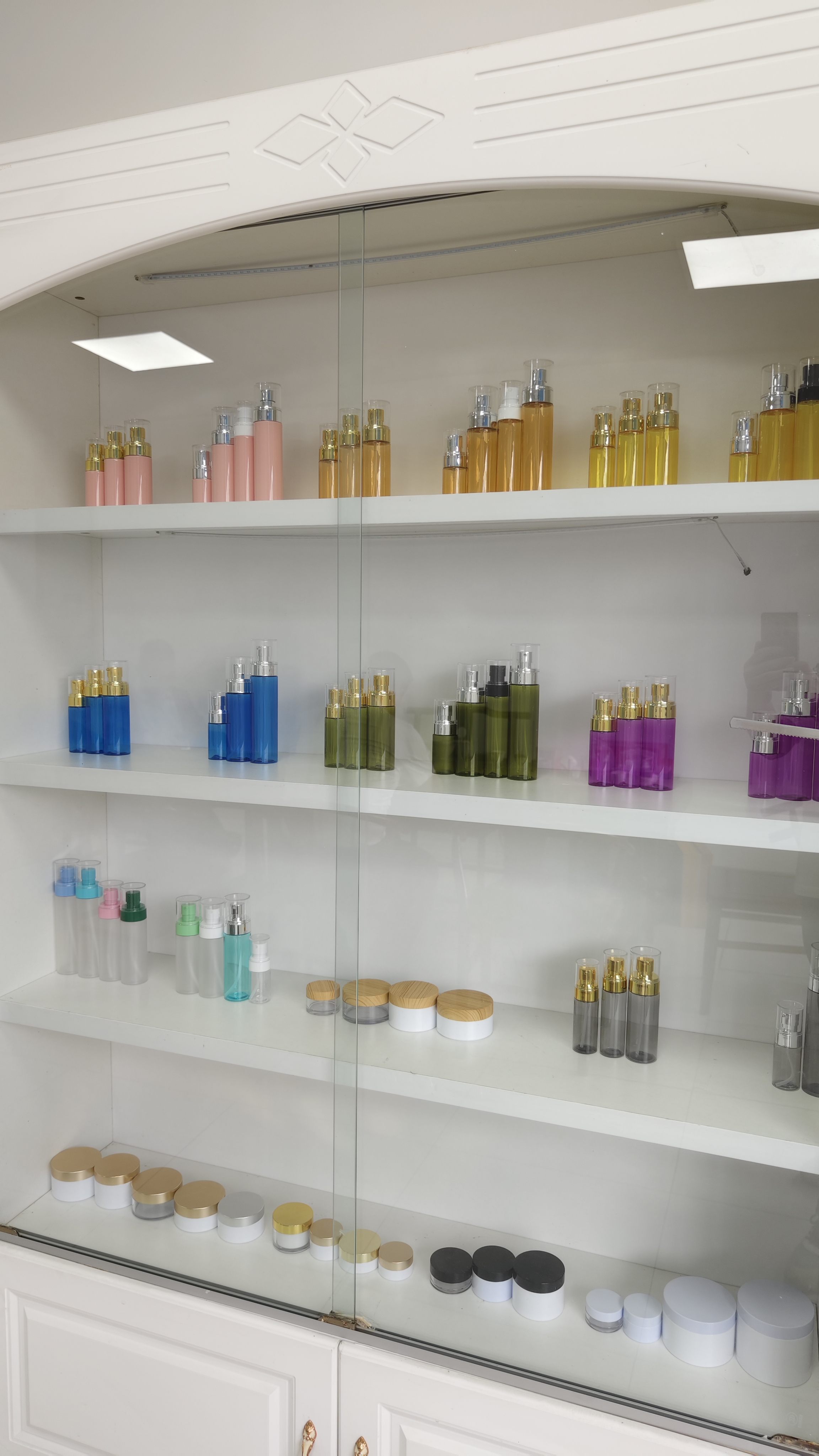
Sizes above sit in our Cream Jar Packaging range, if you want the full spec sheet per size.
4. Who owns the mold
You pay the tooling fee. That does not make the mold yours.
The number is not fixed. It can be zero, where a stock mold already fits. A new mold is a capital cost, and it climbs with cavity count, structure and surface finish. On a first order it is often the largest single line.
Ask for it as its own line, and ask what cavity count it buys.
Read the clause. Many contracts leave the mold at the factory. Ask whether you can take it if you move. Usually no. It was cut for their machine. Treat the fee as sunk cost, and negotiate it that way.
Ask service life, and who repairs it. Custom mold work is covered on our OEM & ODM page, including what a sample run includes.
5. Put the inspection standard on paper
Which sampling plan. A common baseline is AQL general level II, major 2.5, minor 4.0. Whatever the number, it sits in the contract or the PO. Verbal does not count.
First-off approval. Confirm and sign one unit before the run. Skip it and every later dispute has no reference point.
When. Before dispatch or before loading. Different warehouse step, different liability.
Who writes the report. In-house, third party, or your inspector. Three levels of trust. Agree up front.
6. Retention samples and traceability
How many lots kept, for how long. Half a shelf life at minimum.
Can they pull the resin lot, colour batch, machine and shift for a shipment from three months ago?
Is there a record when material changes. That connects to the next point.
7. Material change notification, in the contract
The most skipped clause. Also the most expensive one later.
Will they tell you before switching resin grade? Will a switch trigger new sample approval? Is a comparison sample kept per batch?
Without the clause, a colour shift or a stress crack two years out has no paper trail. This matters more than price.
8. How a defect rate is counted
Percent of pieces, or percent of order value. Same "3 percent", wildly different money.
Replacement or credit. Replacement waits a production cycle. Credit closes fast but leaves you without goods.
Who pays freight. Return and reship often costs more than the parts.
9. Six fields behind a unit price
The part of how to choose a cosmetic jar supplier that costs the most money is the quote. A cosmetic jar price per unit means nothing on its own. Ask what sits inside it.
- What is included. Jar only, or lid, liner, printing, assembly, carton.
- Printing. Colours, one side or two, plate fee.
- Currency and exchange basis. What rate, and at what swing you reprice.
- Validity. How long the quote holds.
- MOQ tiers. 5,000, 10,000, 50,000. Three different numbers.
- Tooling, listed separately. Bury it in the unit price and you never reconcile it.
Sampling cost moves the same way. It can be free against a confirmed order, or charged when the item needs a new mold or hand decoration. Ask for the rule in writing before you request six variants.
10. Lead time and a small first order
When does the clock start. Deposit, artwork approval, or sample sign-off. Two weeks between them.
Contract or verbal. Verbally agreed lead time is not a lead time.
Do not load the first order. A cosmetic jar MOQ of 10,000 is common. Ask for 10,000 with the first 1,000 run as a pilot. One pilot lot through your filling line and one shipment teaches you more than ten samples.
Agree the pilot terms: separate inspection, separate retention samples, separate records. More of these decision points are collected in our buying guide.
Start with the three that carry the risk
If you are still working out how to choose a cosmetic jar supplier, begin with points 1, 4 and 7. Factory or trader. Mold ownership. Material change notice. Those three cause most of the losses.
Samples show the best case. Questions show the normal case.
Tell us the formula, the market and the annual volume, and send the jar size you are comparing. Then the spec advice and the quote mean something. Start here and a cosmetic jar supplier that asks those three questions first is usually the one worth answering.