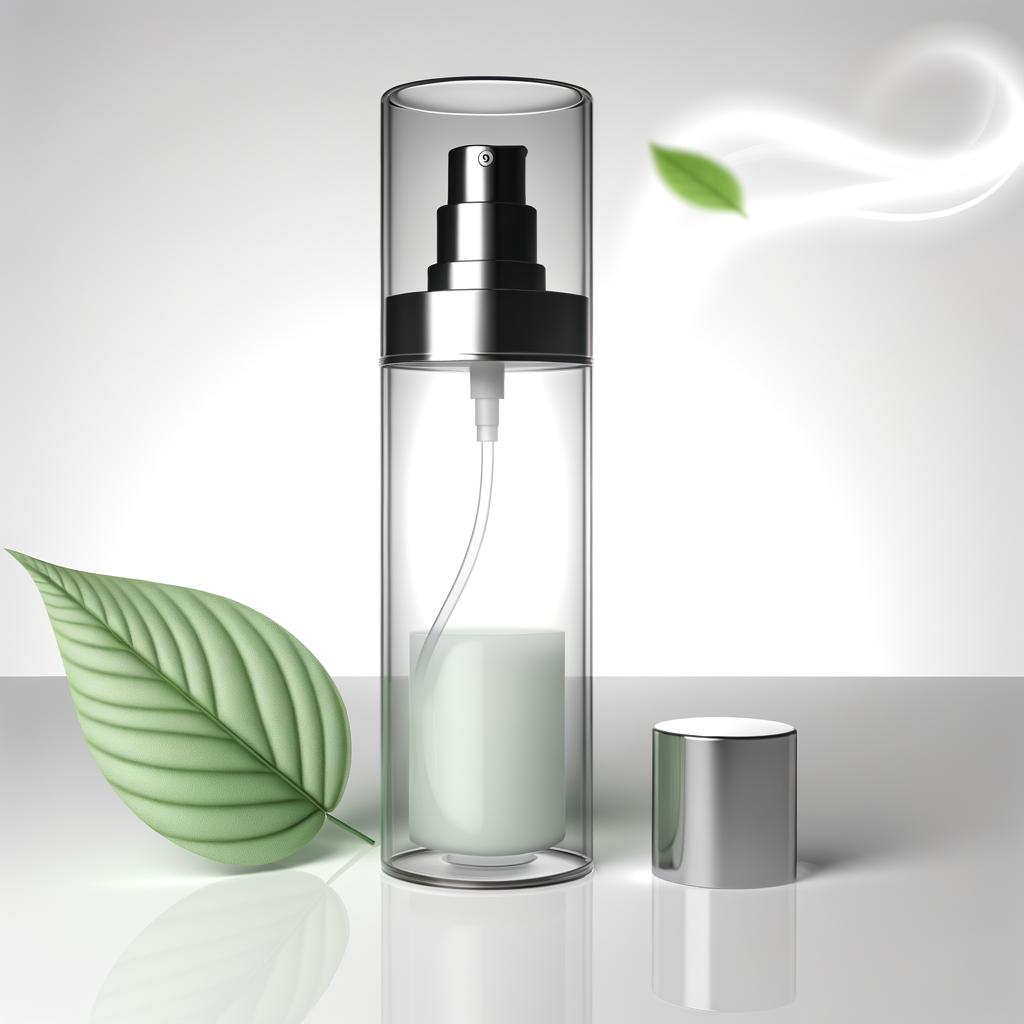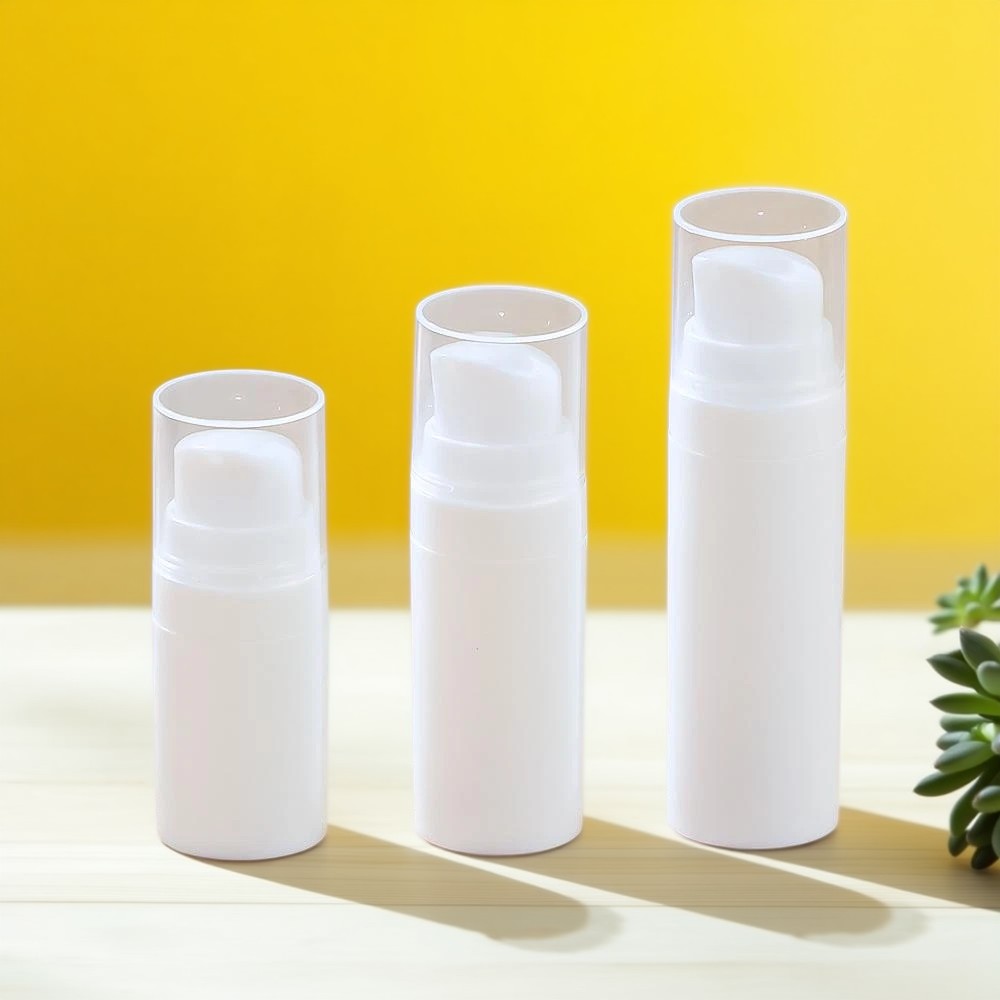


Today, we have the pleasure of sitting down with Dr. Alistair Finch, a leading expert in cosmetic packaging innovation, to discuss a significant shift in the beauty industry. We’re diving deep into the world of airless bottles and exploring why they have become the gold standard for so many skincare brands. Dr. Finch, thank you for joining us. To start, what is driving this widespread adoption of airless technology?
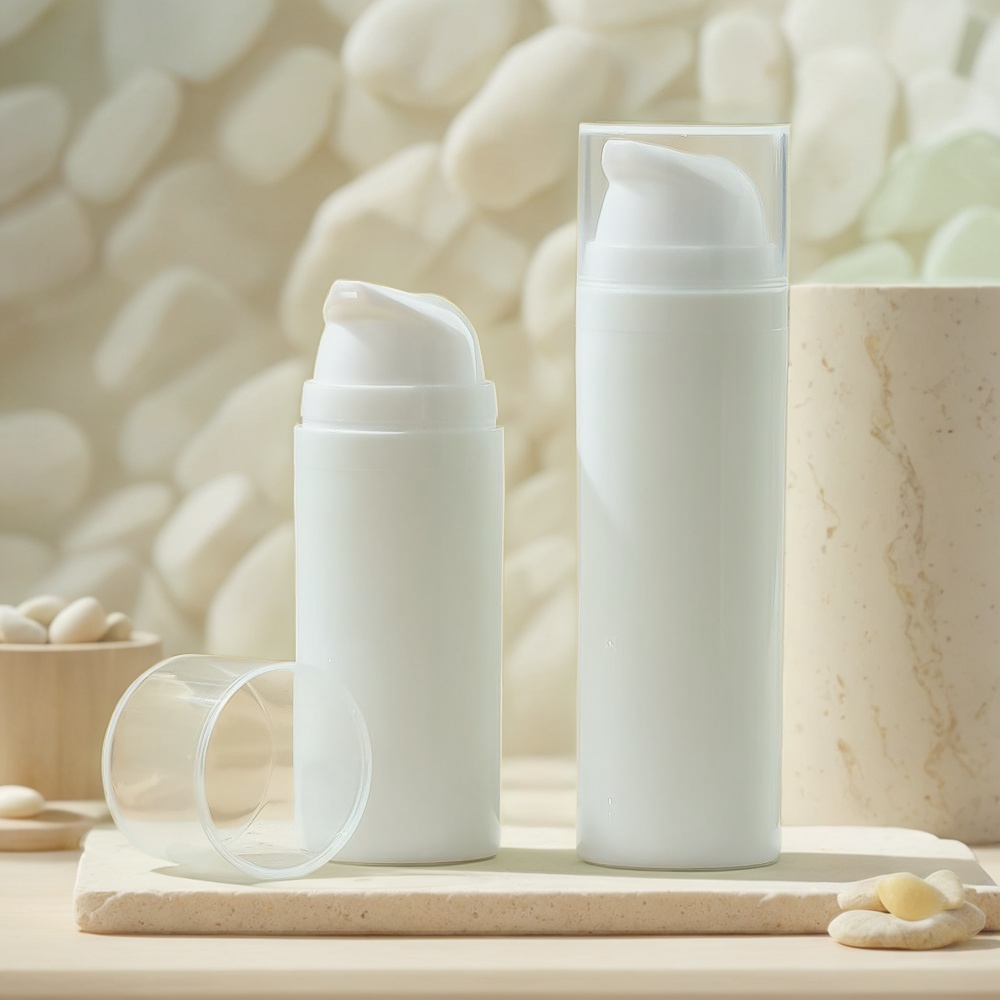
The Expert’s Take on Preservation
Dr. Finch: It’s a pleasure to be here. The primary driver is product integrity. Modern skincare formulations are more sophisticated than ever, often containing sensitive, active ingredients like antioxidants, retinoids, and peptides. These ingredients degrade quickly when exposed to air and light. Traditional jars and pumps introduce air with every use, leading to oxidation and contamination, which reduces the product’s effectiveness. Airless bottles use a vacuum mechanism—a piston or a collapsing bag—that pushes the product up without letting any air in. This preserves the formula from the first pump to the last, ensuring the consumer gets the potency they paid for.
Choosing the Right Size for Your Formula
Interviewer: That makes perfect sense. We see a lot of variation in size. For instance, the 30ml airless bottle and 50ml airless pump bottles seem to be industry favorites. Why are these sizes so prevalent?
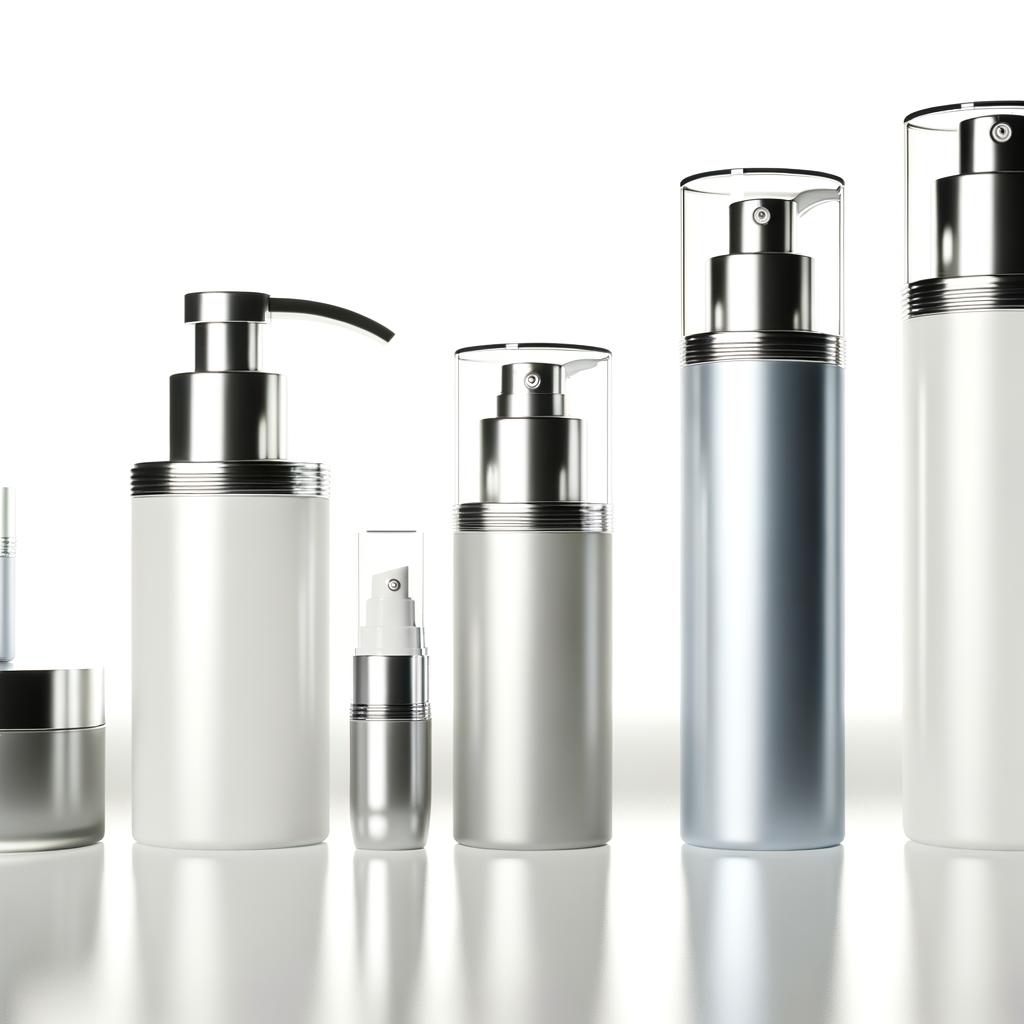
Dr. Finch: Size is directly correlated with product type and usage frequency. The 30ml airless bottle is perfect for highly concentrated products like serums, eye creams, or targeted treatments. These are potent formulas where a small amount goes a long way, and they typically last a user one to two months, which is an ideal shelf-life cycle. On the other hand, 50ml airless pump bottles are the go-to for daily moisturizers and foundations. This volume provides enough product for regular, more generous use, while still being compact enough for travel and maintaining that crucial preservative environment. It’s all about balancing consumer convenience with formulation stability.
Expanding Horizons: Larger Volumes and Design Choices
Interviewer: What about products for the body, or for those who prefer to buy in larger quantities? Are there options for them?
Dr. Finch: Absolutely. The technology is scalable. We’re seeing a growing demand for the 100ml airless pump bottle, especially for premium body lotions, cleansers, and even some family-sized facial products. This allows brands to offer value without compromising on the preservation benefits. Another interesting development is the rise of the clear airless pump bottle. While opaque packaging offers maximum light protection, a clear design has a distinct consumer advantage. It allows users to see exactly how much product is left, which prevents the frustration of unexpectedly running out. For formulas that are less light-sensitive, this transparency adds a layer of practicality and trust that consumers really appreciate.
Beyond Protection: The User Experience
Interviewer: So it’s not just about what’s inside. How do airless bottles enhance the overall user experience?
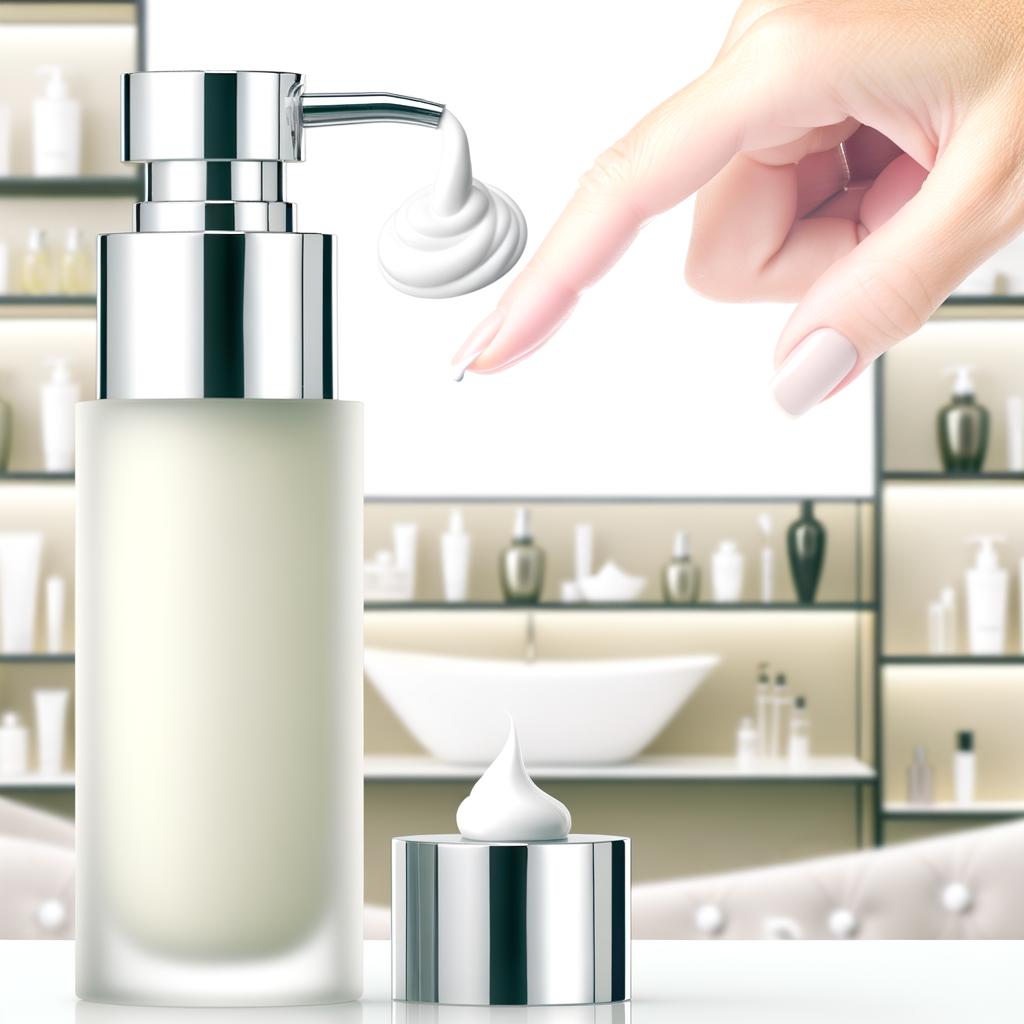
Dr. Finch: The user experience is paramount. Firstly, hygiene. There’s no need to dip fingers into a jar, eliminating the risk of bacterial contamination. Secondly, dispensing is incredibly precise and controlled. The pump delivers the same amount of product every time, which helps with dosage consistency and reduces waste. Users can get nearly every last drop out of the container, which is a huge selling point. Finally, their design is inherently travel-friendly. They are leak-proof and robust, making them a reliable choice for consumers on the go. It’s a complete package that elevates a product from just a cream in a jar to a sophisticated and reliable skincare tool.