

A Conversation with Packaging Expert Dr. Alena Petrova: The Rise of Airless Technology
Today, we’re sitting down with Dr. Alena Petrova, a leading expert in cosmetic packaging science, to discuss a trend that’s reshaping how we store and use our favorite skincare products. From high-end serums to daily moisturizers, the packaging is becoming just as important as the formula inside. We’re here to talk about the innovation driving this change: airless bottles. Thank you for joining us, Dr. Petrova.
Understanding the Airless Advantage
Interviewer: Dr. Petrova, welcome. For our readers who might not be familiar, could you explain what makes airless bottles so special compared to traditional jars or pump bottles?
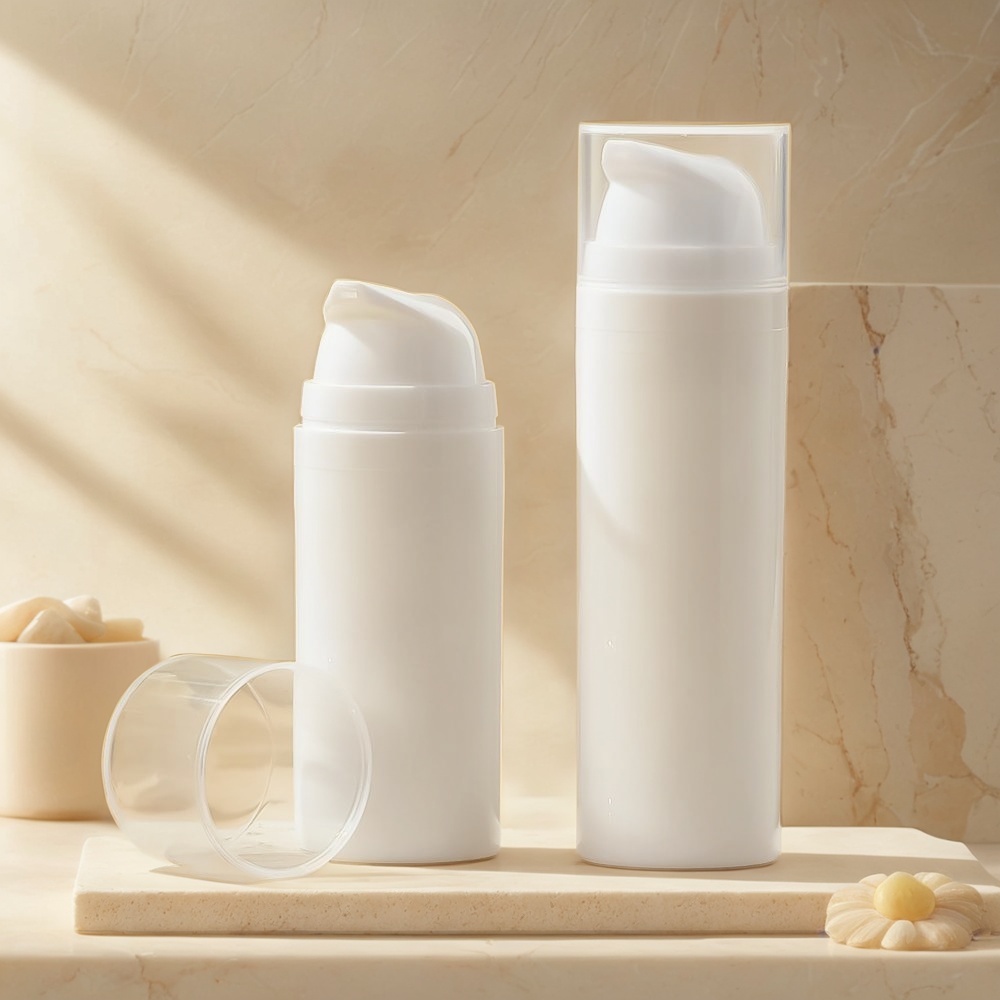
Dr. Petrova: Of course. The magic of airless technology lies in its mechanism. Instead of a traditional dip tube that pulls product up, an airless system uses a diaphragm or piston that rises with each pump. This creates a vacuum effect, pushing the product upwards without letting any air back in. The primary benefit is preservation. Many active ingredients in modern skincare—like Vitamin C, retinol, and antioxidants—are notoriously unstable and degrade when exposed to air and light. Airless packaging minimizes this exposure, keeping the formula potent and effective from the first pump to the last. It also significantly reduces the risk of contamination from fingers or airborne bacteria, which is a huge leap forward for product hygiene.
Sizing for Every Skincare Need
Interviewer: That makes perfect sense. We see these bottles in a range of sizes. How do brands decide which size to use, for example, between a 30ml airless bottle and a larger one?
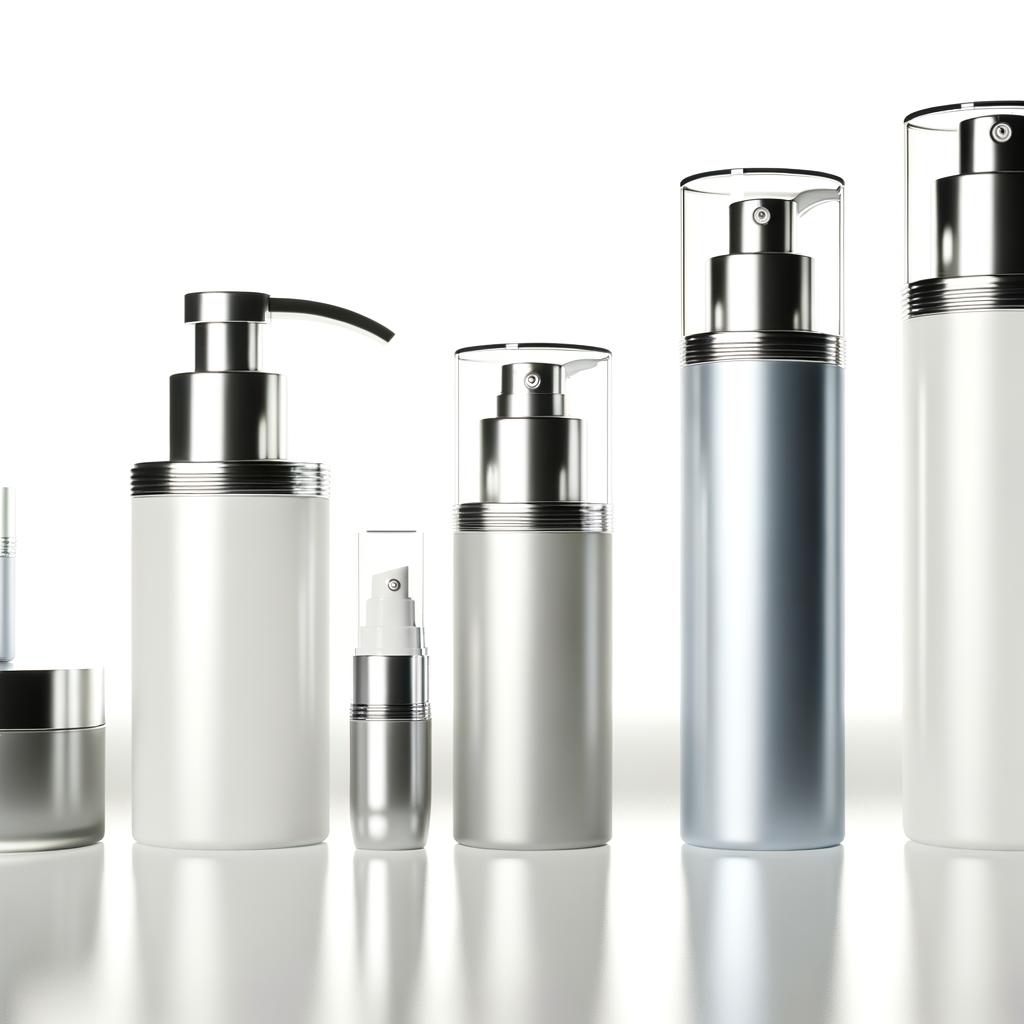
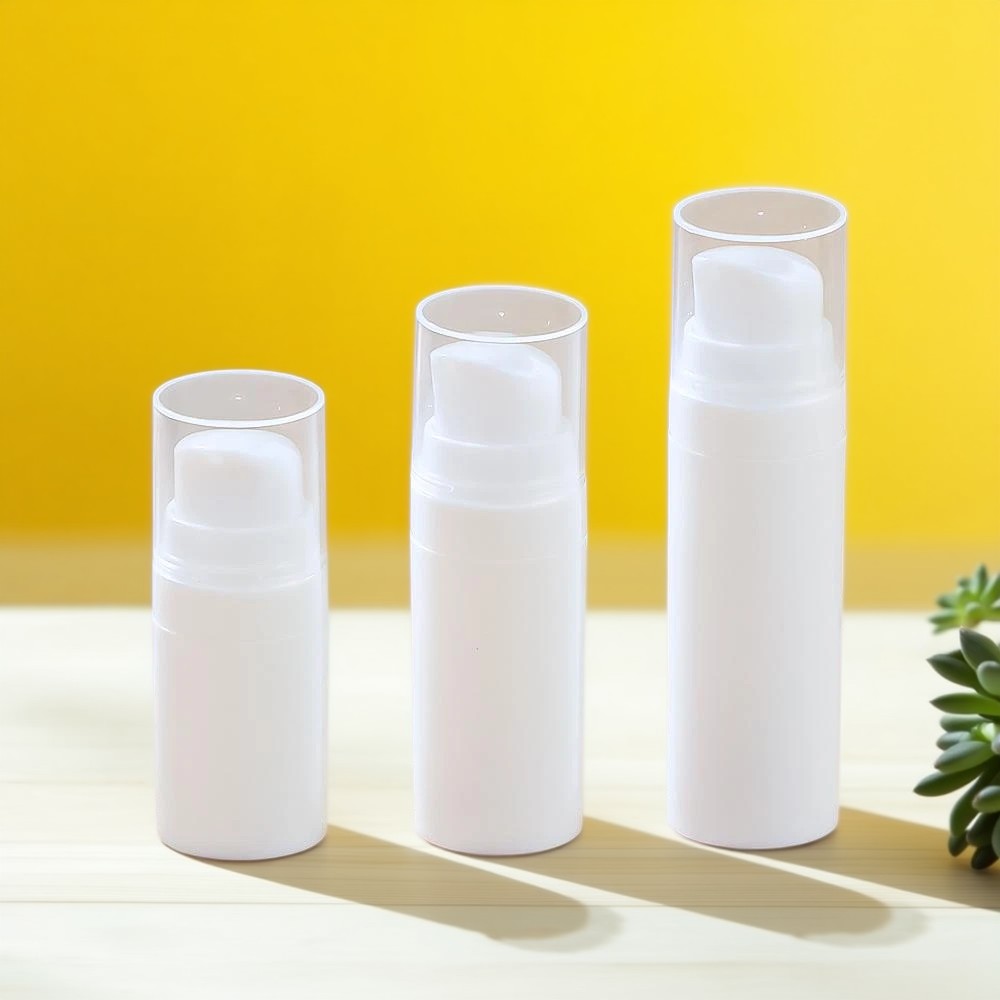
Dr. Petrova: Size is directly related to the product’s purpose and formula concentration. For instance, a 30ml airless bottle is the industry standard for potent serums and targeted treatments where you only need a small, precise amount per application. It’s compact and ideal for protecting expensive, highly-concentrated formulas. As you move up in size, you get to options like 50ml airless pump bottles, which are perfect for daily moisturizers, facial creams, or foundations. They offer a good balance for a product used once or twice a day over a month or two. Then you have the 100ml airless pump bottle, which is excellent for larger volume products like body lotions, cleansers, or family-sized sunscreens, ensuring even these products stay fresh and dispense cleanly without waste.
Design and the User Experience
Interviewer: Beyond the technical benefits, the design is often very sleek and modern. What role does aesthetics, such as a clear airless pump bottle, play in their popularity?
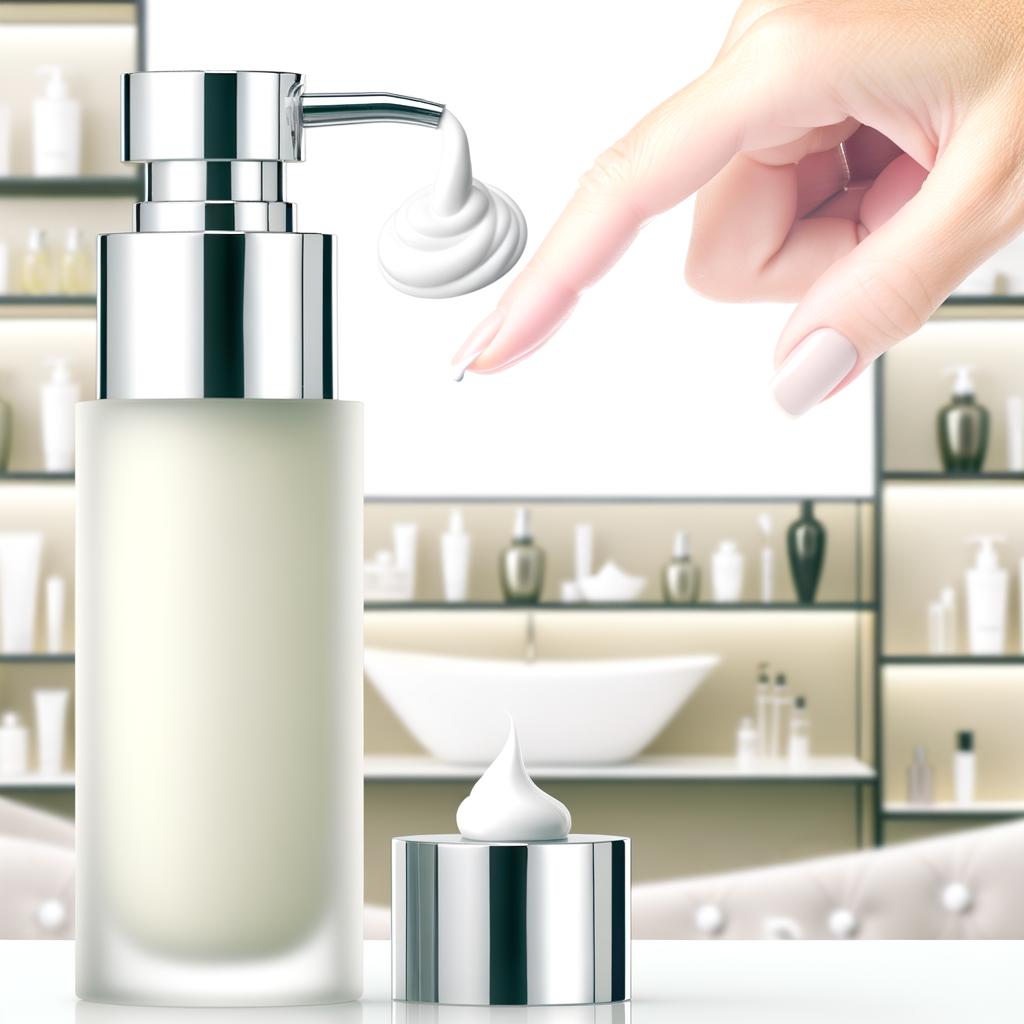
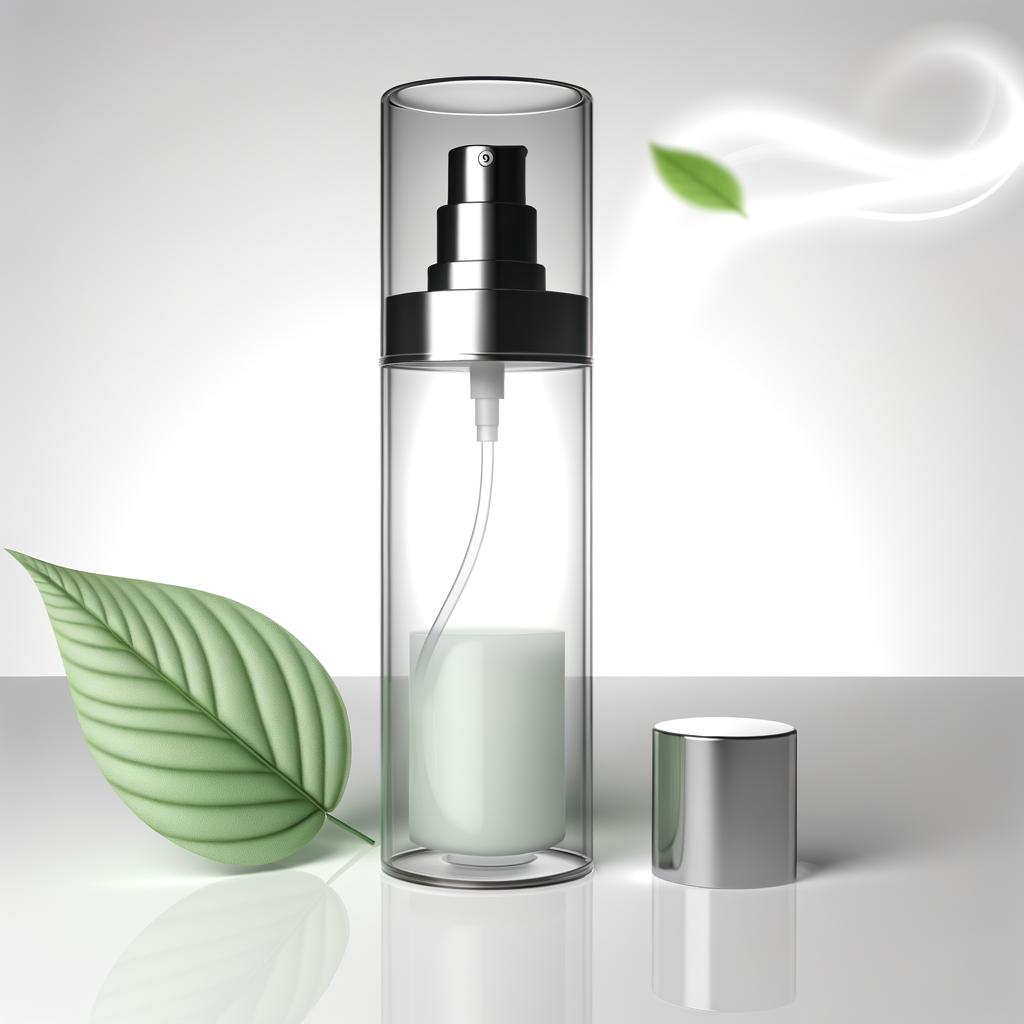
Dr. Petrova: It plays a massive role. Today’s consumer wants an experience, not just a product. The minimalist, often cylindrical design of these bottles feels premium and sophisticated. It looks clean on a vanity. A clear airless pump bottle offers a practical design advantage by allowing the user to see exactly how much product is left, eliminating the guesswork of a traditional opaque bottle. Furthermore, the pump itself is engineered for precision. It delivers a consistent, metered dose every time. This means no product wastage and a mess-free application, which enhances the overall user experience and reinforces the value of the product inside. The elegant matte finishes you often see also add a tactile, luxurious feel.
The Future of Cosmetic Packaging
Interviewer: It sounds like this technology solves many long-standing issues. Do you believe airless packaging is the future for the beauty industry?
Dr. Petrova: I strongly believe it is the direction we are, and should be, heading. Consumers are more educated than ever about ingredient efficacy and product safety. The demand for preservative-free or ‘clean’ formulations is growing, and airless technology makes that possible by creating a self-preserving environment. It aligns perfectly with sustainability goals by ensuring every last drop of product is used, reducing waste. Whether it’s the popular 50ml airless pump bottles for everyday use or a specialized treatment in smaller packaging, this system provides the protection, hygiene, and efficiency that both brands and consumers demand. It represents a a smarter, safer, and more sophisticated approach to cosmetic packaging.