

Today, we are privileged to speak with Dr. Evelyn Reed, a leading innovator in cosmetic packaging design. For years, her work has shaped how consumers interact with their favorite products. We’re here to discuss a significant trend revolutionizing the beauty industry: the widespread adoption of airless bottles. Thank you for joining us, Dr. Reed. To start, what makes this technology so impactful?
The Revolution in Product Preservation
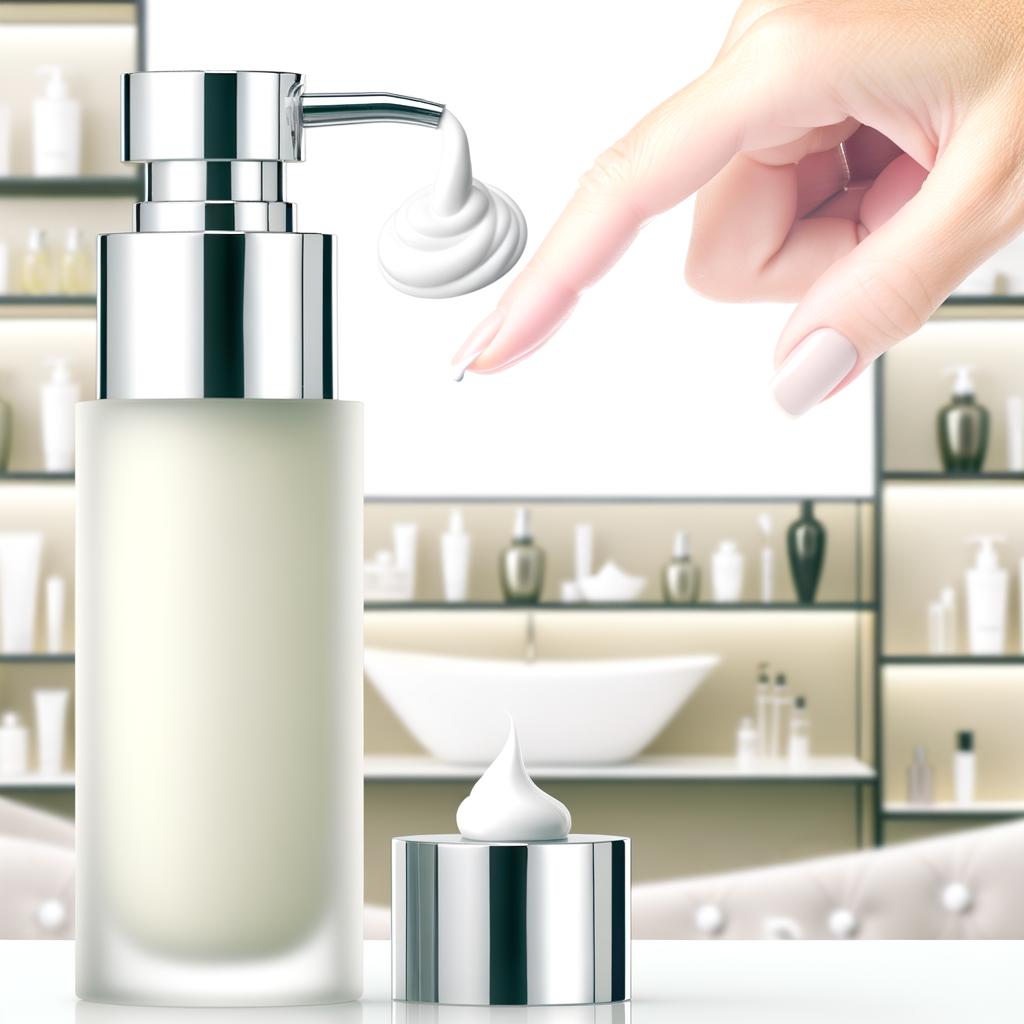
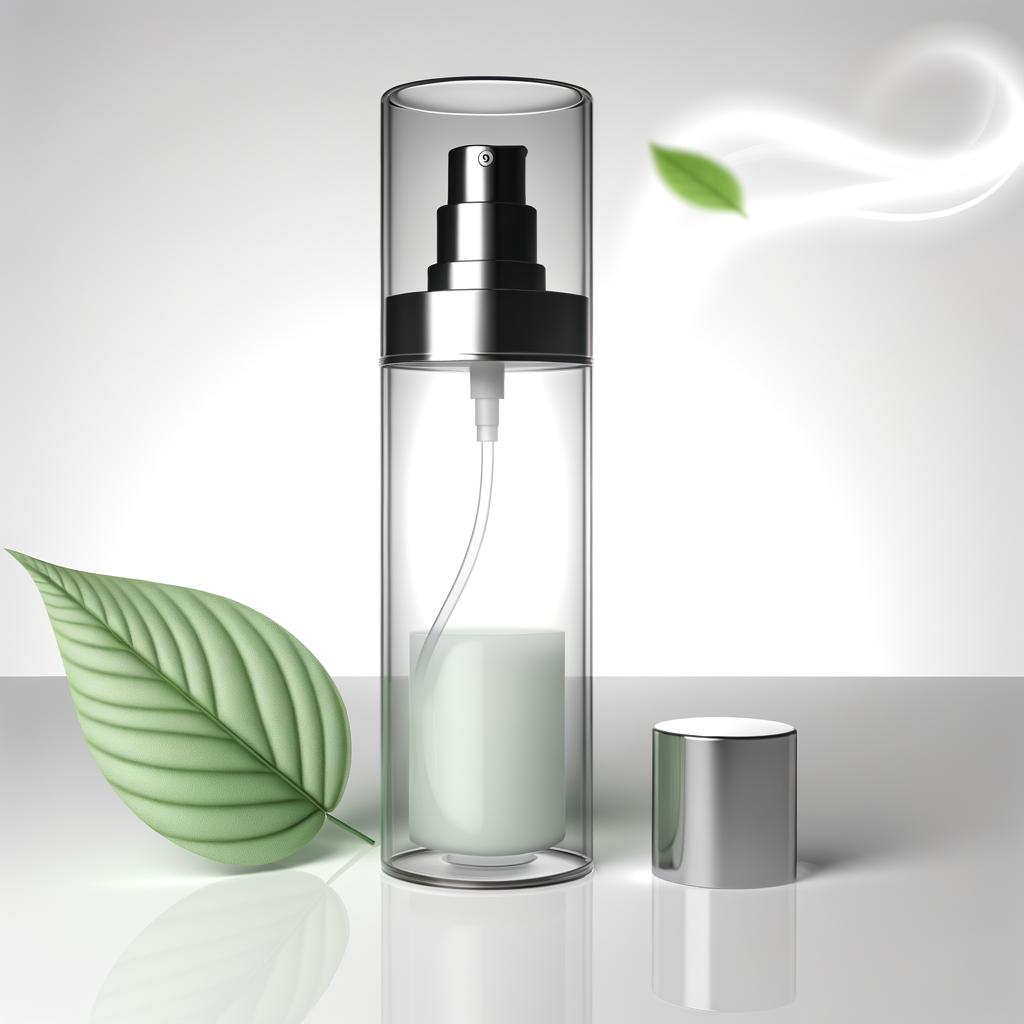
Dr. Reed: Thank you for having me. The excitement around airless technology stems from its ability to solve a fundamental problem: product degradation. Many of the most effective skincare ingredients, like Vitamin C, retinol, and antioxidants, are notoriously unstable. When exposed to air and light, they oxidize and lose their potency. Airless bottles use a vacuum mechanism with a piston at the base. With each pump, the piston rises, dispensing the product without letting any air in. This preserves the integrity and efficacy of the formula from the first pump to the last. It also provides a superior level of hygiene by eliminating the need for consumers to dip their fingers into a jar, which can introduce bacteria.
Functionality and Form: The User-Centric Design
Interviewer: Beyond the science, the aesthetics of these bottles are quite striking. How does design play into their popularity?
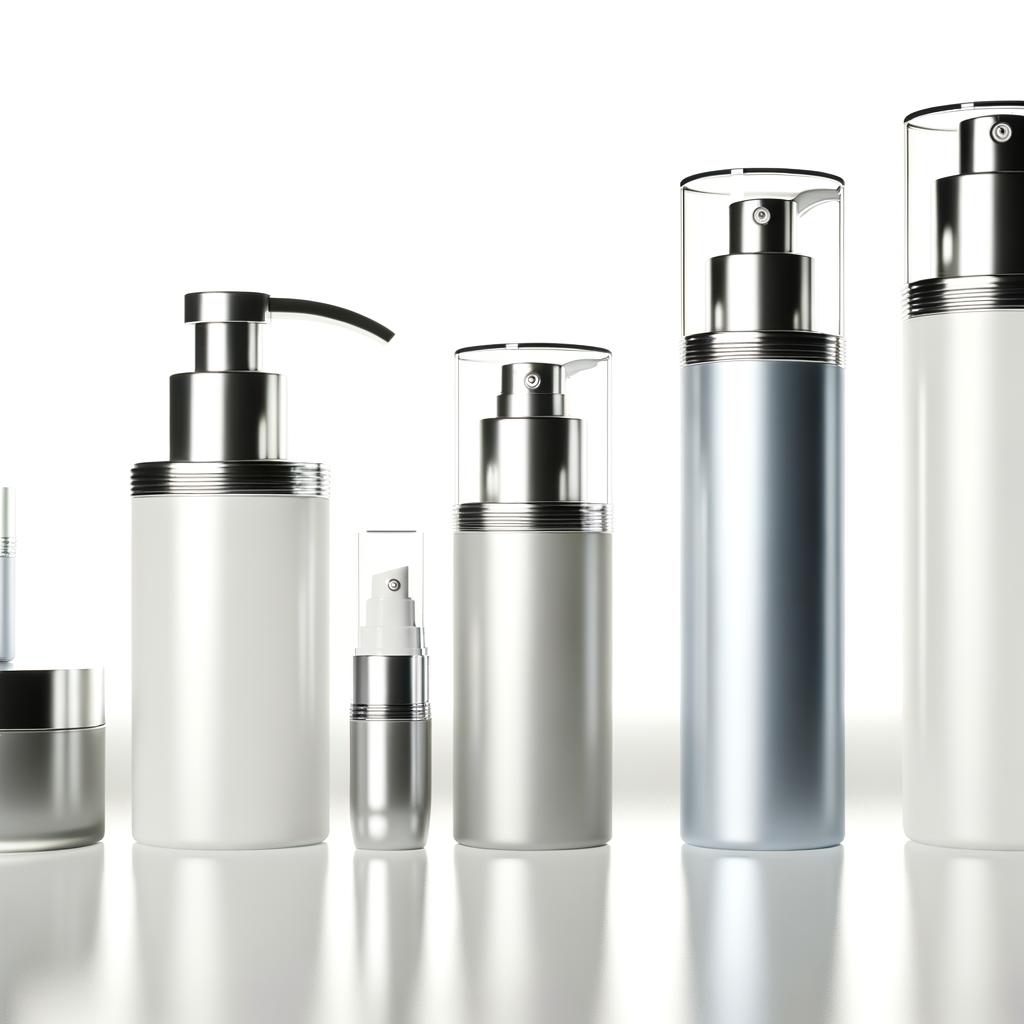
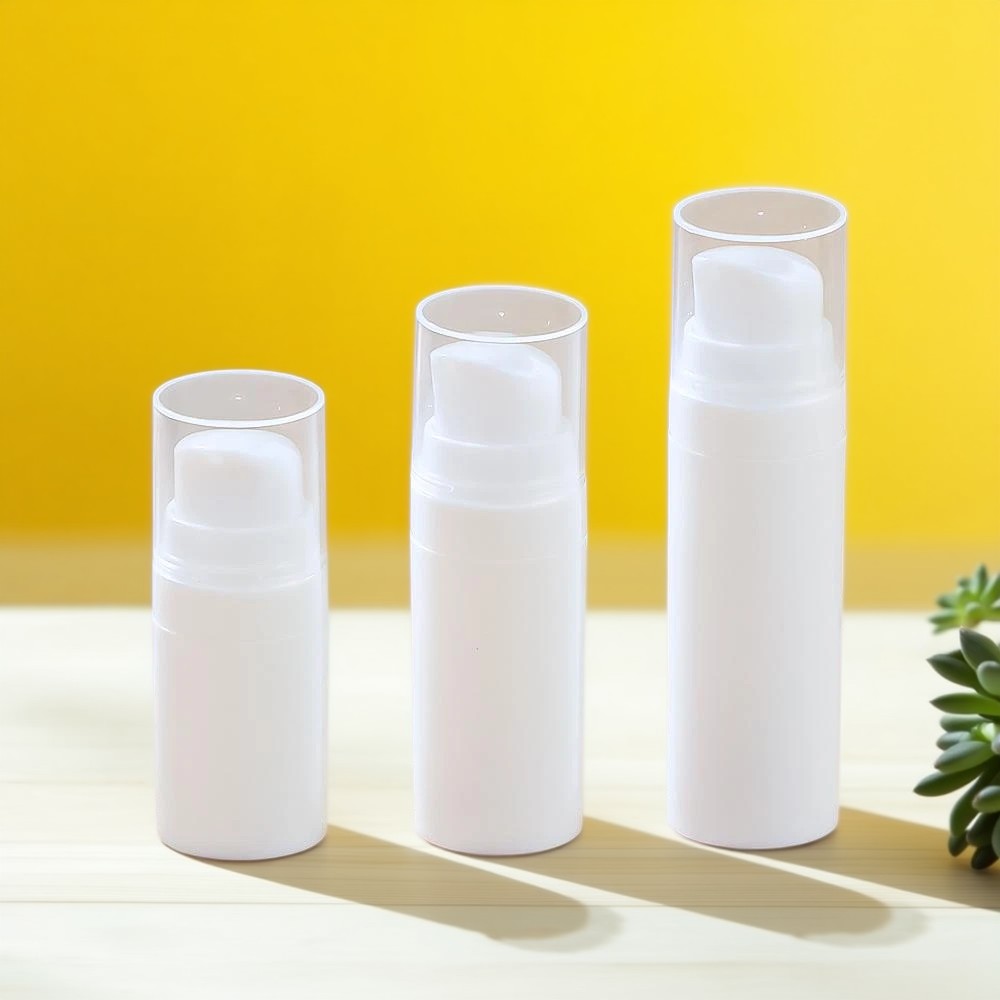
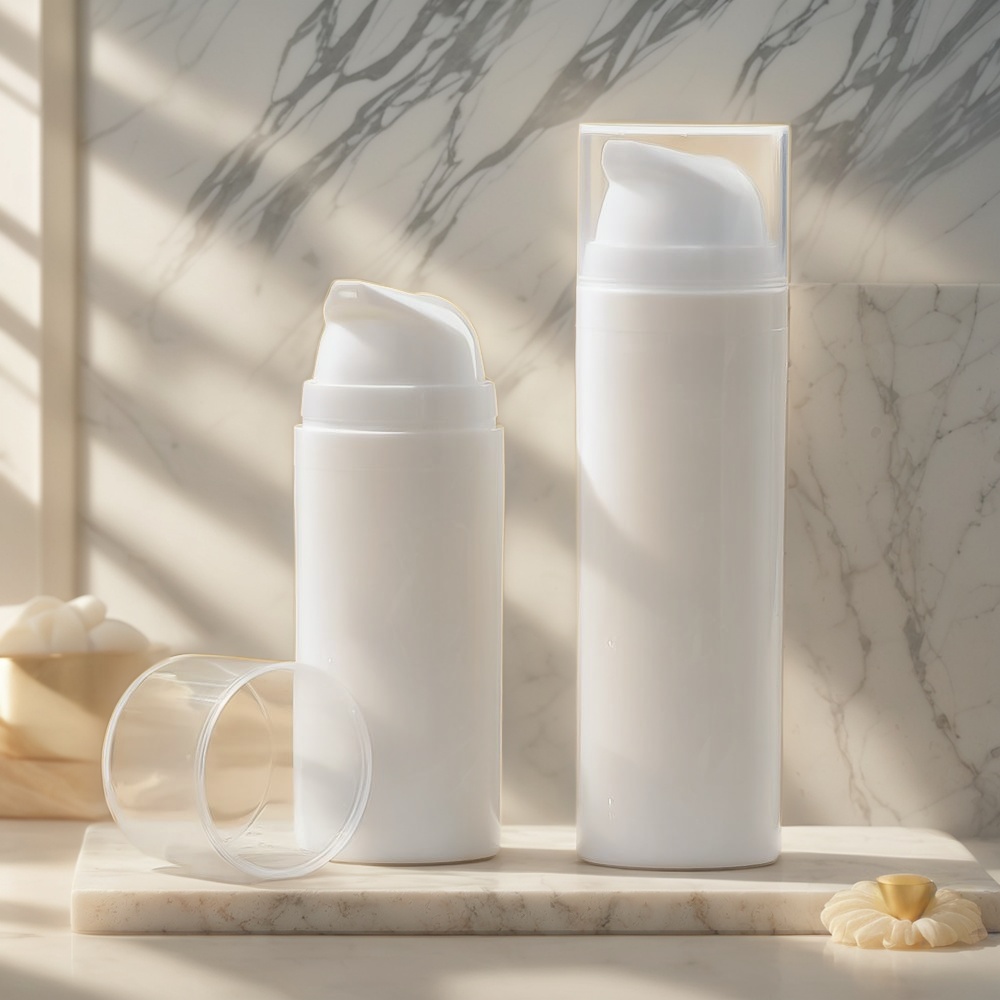
Dr. Reed: Absolutely. Modern consumers want packaging that is both effective and beautiful. The design is minimalist, clean, and sophisticated. It looks like a premium product. Versatility in sizing is also key to meeting diverse needs. For instance, a 30ml airless bottle is perfect for high-concentration serums or for travel-sized versions of everyday products. On the other end, a 100ml airless pump bottle is ideal for daily moisturizers, cleansers, or body lotions, providing long-lasting use with the same protective benefits. The seamless pump action delivers a controlled, consistent dose every time, which prevents overuse and waste.
Maximizing Value and Minimizing Waste
Interviewer: You mentioned waste. How do these bottles offer better value for the consumer?
Dr. Reed: This is one of the most significant advantages. With traditional pump tubes or jars, a considerable amount of product—sometimes up to 15%—is left behind, inaccessible. The airless piston system pushes virtually every last drop of the formula up to the pump. This means the customer gets the full value of the product they purchased. For brands and consumers alike, this is a huge win. The 50ml airless pump bottles have become a particularly popular size for this very reason, as they offer a great balance for daily use products where getting your money’s worth is paramount. It’s an honest and efficient delivery system.
Transparency, Sustainability, and the Future
Interviewer: What’s next for airless packaging? Is sustainability a factor?
Dr. Reed: It’s a massive factor. While the mechanism itself is complex, many manufacturers are now designing these bottles to be refillable, which drastically reduces plastic consumption over time. We’re also seeing a rise in demand for the clear airless pump bottle. This allows consumers to see exactly how much product is left, which they appreciate, while still getting all the preservative benefits of the airless system. Looking ahead, I see airless technology becoming the standard for any formulation with sensitive active ingredients. The future is in smart, sustainable, and effective packaging that protects both the product and the planet.