

Plastic Cosmetic Jars: Elevating Modern Skincare Trends
Plastic cosmetic jars are revolutionizing the skincare and beauty industry, ushering in a new era of functionality and visual elegance. As beauty brands increasingly strive to align sustainability with luxury, the demand for innovative designs in cosmetic jars has become a major trend. These jars not only secure high-quality formulations but also serve as a reflection of a brand’s ethos, offering consumers a seamless blend of science, sophistication, and style. Whether you’re a fan of minimalist compact designs or crave indulgent aesthetics, plastic cosmetic jars are redefining the way we experience and value skincare products today.
The Versatility of Plastic Cosmetic Jars
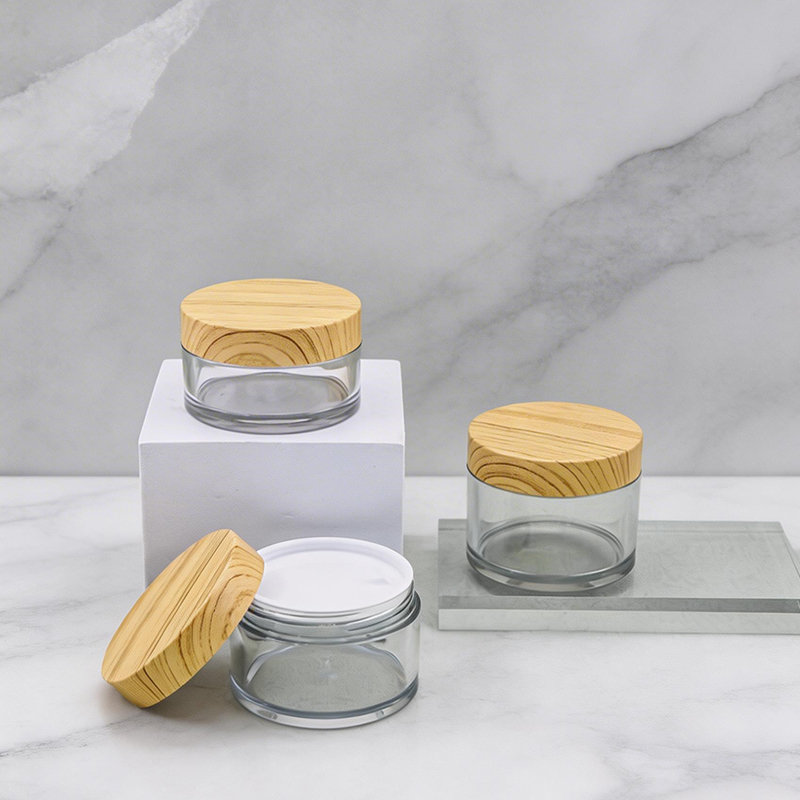
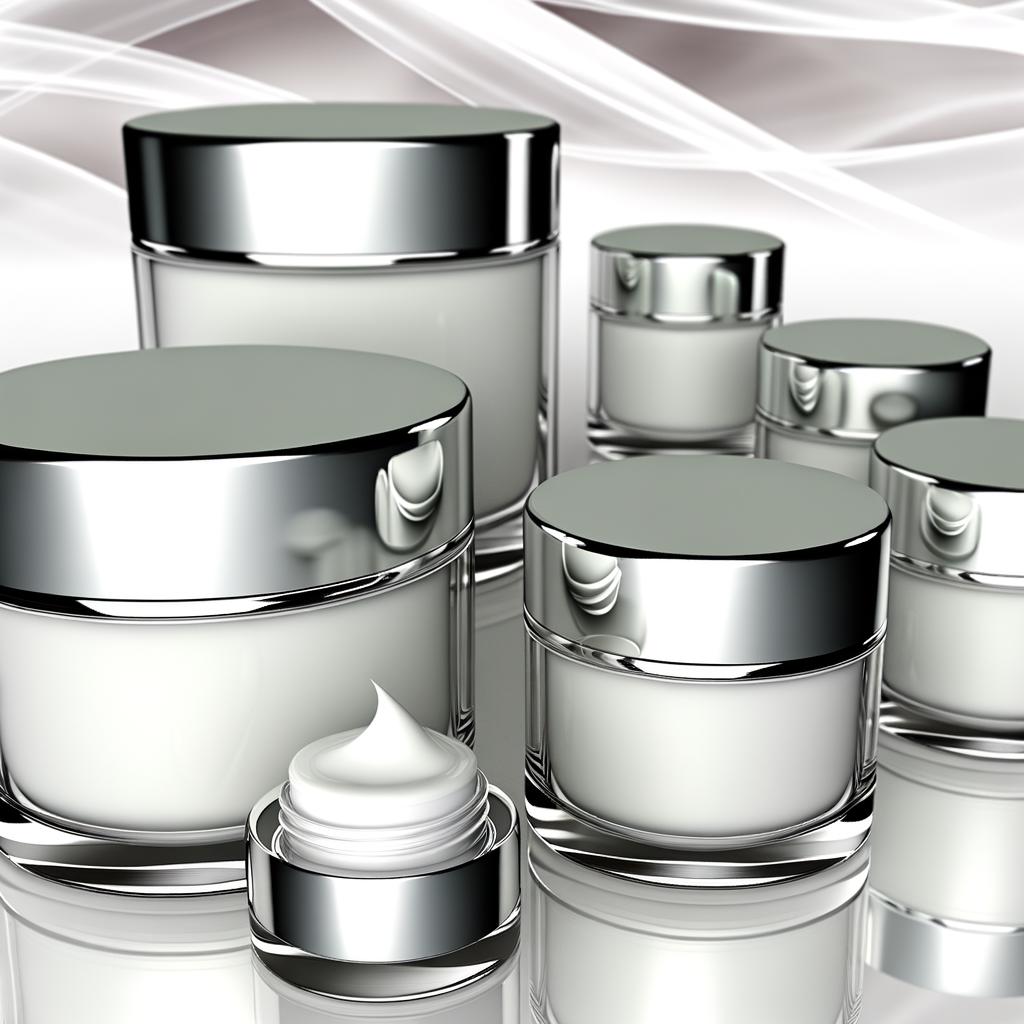
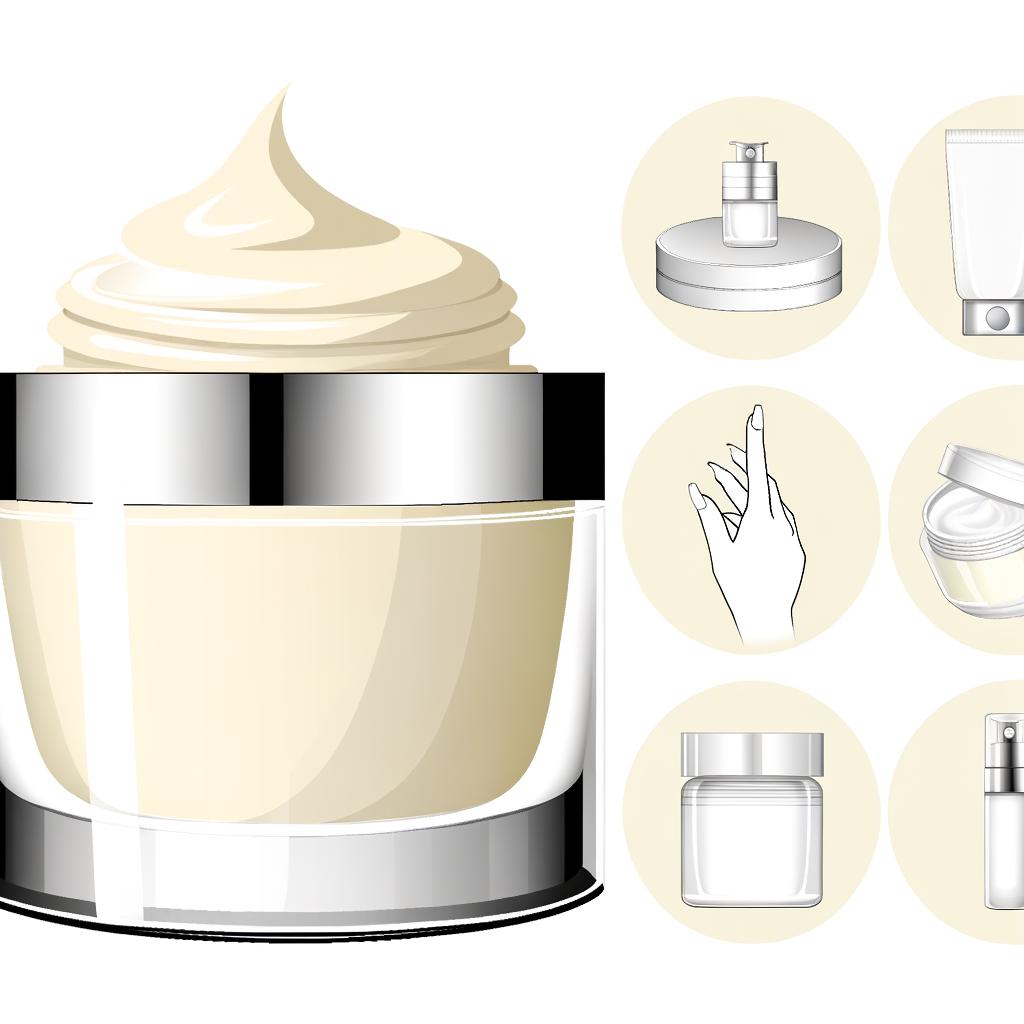
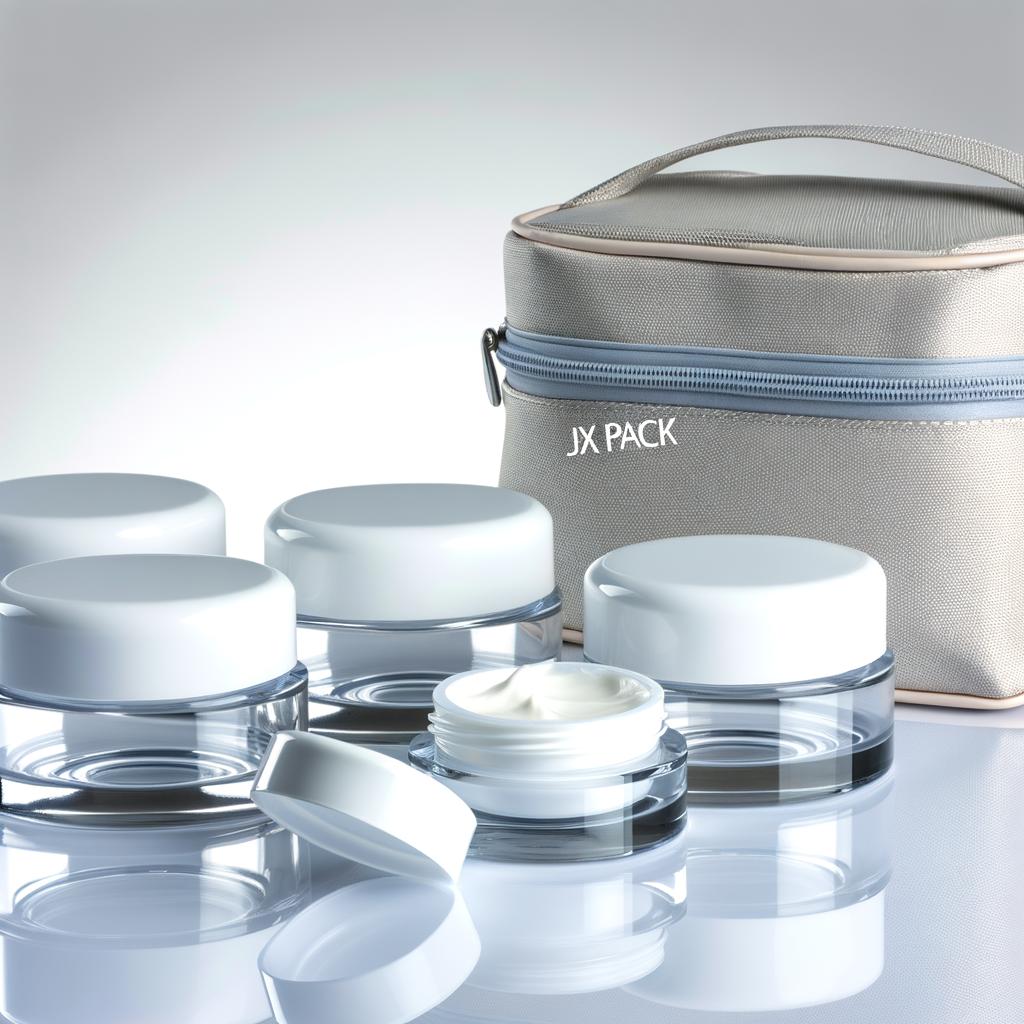
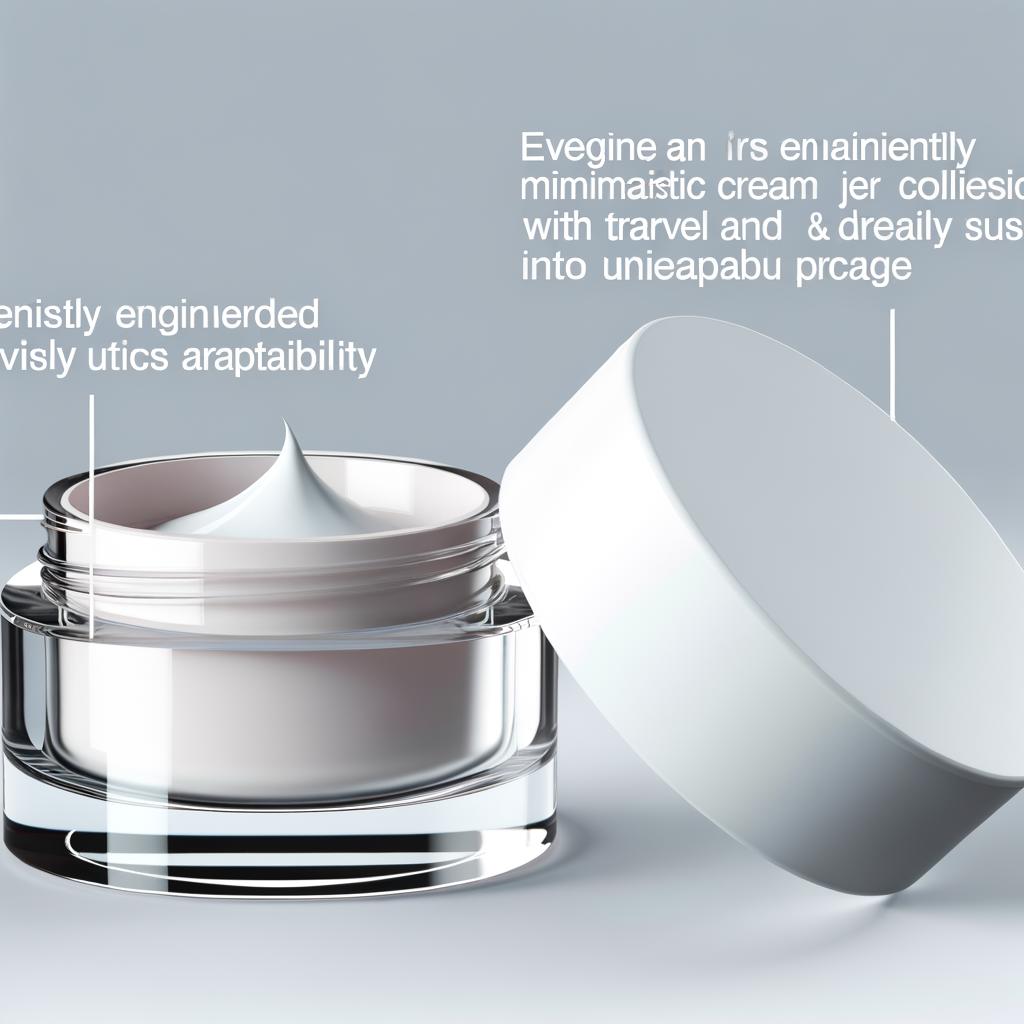
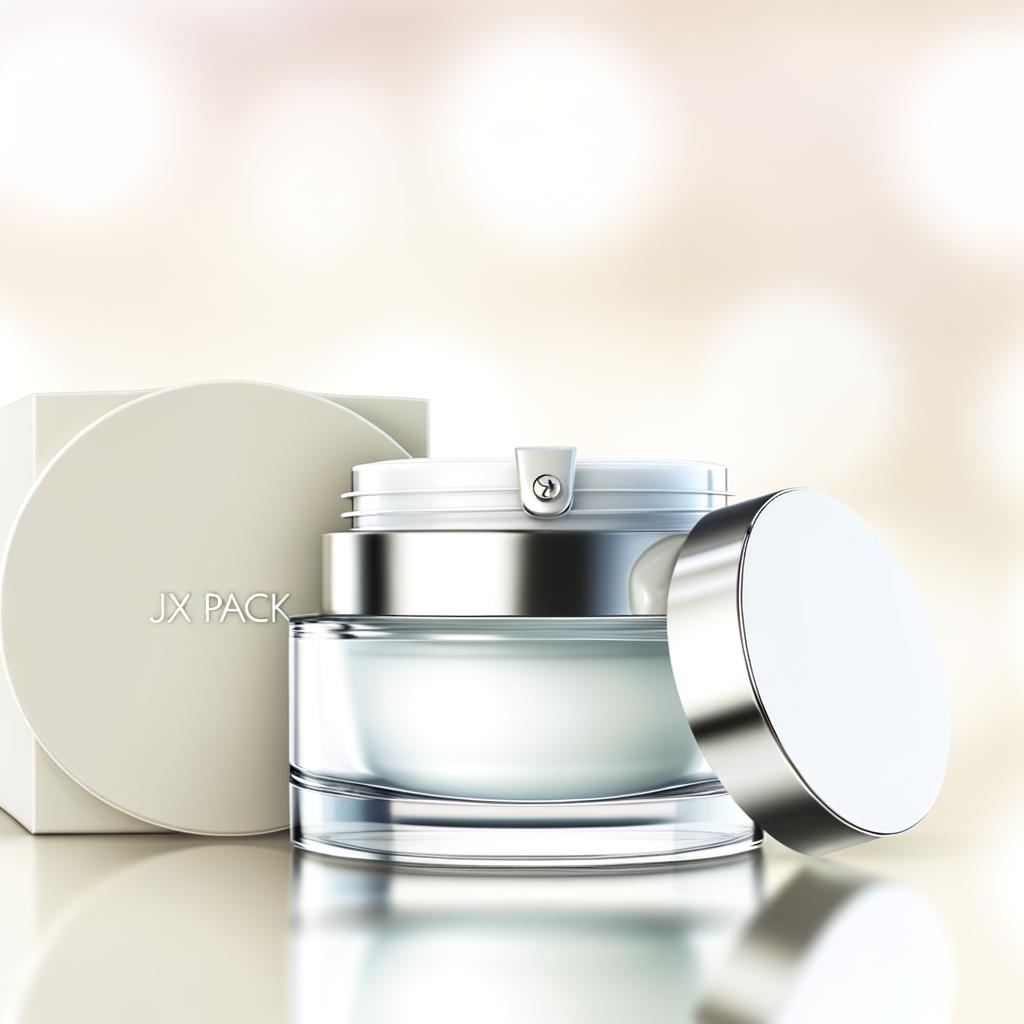
One of the biggest advantages of plastic cosmetic jars is their incredible versatility. They cater to a wide range of beauty products such as rejuvenating creams, glossy balms, silky serums, and more. This adaptability has made them immensely popular among consumers seeking all-encompassing storage solutions. By providing options ranging from translucent jars to custom cosmetic jars with crystal accents or metallic silver lids, companies are able to offer functional yet visually appealing packaging to satisfy varied consumer preferences. Additionally, their lightweight material and durability make them ideal for on-the-go lifestyles—perfect for someone who wants their favorite products handy, whether traveling or at home.
Custom Cosmetic Jars: Redefining Personalization
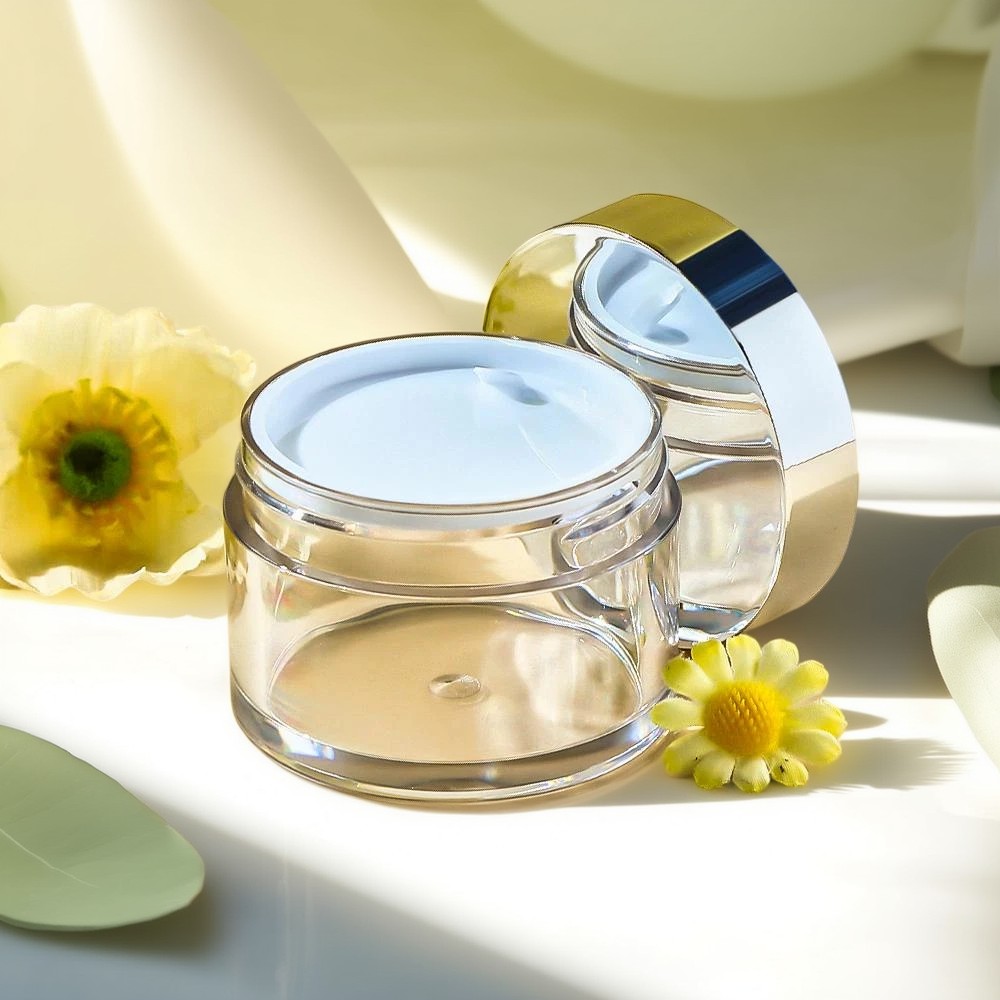
Custom cosmetic jars are flourishing as brands aim to cater to the growing trend of personalization in beauty products. Through unique designs, tailored finishes, and personalized branding, cosmetic jars have become much more than mere containers—they are now a statement of individuality. From clean transparent jars with sleek metallic gold lids to striking jars presented alongside textured marble or ceramic stone, the attention to detail reflects the value of both the product and the consumer. Moreover, brands are embracing customer preferences by offering eco-friendlier packaging options, catering to modern ideals of sustainability without compromising on visual allure.
Empty Cosmetic Jars: Sustainability Meets Innovation
Empty cosmetic jars are increasingly being recognized as solutions for reducing waste and promoting sustainable practices. These reusable containers provide consumers with the flexibility to refill with their favorite products, thus encouraging recycling and minimizing the environmental impact of single-use plastics. In combining minimalism with functionality, empty cosmetic jars are meeting the demands of eco-conscious consumers. For instance, jars designed with detachable components, pristine transparent bases, or luxurious reflective caps highlight the seamless merger of style with practicality. This innovation signifies a clear commitment to sustainability, all while remaining consistent with the visual appeal that consumers desire.
Defining the Future of Beauty with Plastic Cosmetic Jars
The current trend toward elegant and practical packaging, as epitomized by plastic cosmetic jars, is reshaping how we view skincare products. These jars offer more than just aesthetic appeal—they enable brands to tell their story and showcase their commitment to premium quality and innovation. Whether it’s the luxurious feel of a jar’s metallic accents that whisper modern elegance or the incorporation of eco-conscious designs adhering to sustainable beauty goals, the industry is experiencing a remarkable transformation.
Plastic cosmetic jars, custom or empty, are becoming synonymous with more than just holding products—they symbolize a lifestyle of refined luxury and responsibility. As brands continue to innovate, the onus lies on creating packaging that not only speaks to the product’s essence but also resonates with the evolving expectations of consumers who increasingly appreciate both functionality and style. With this in mind, plastic cosmetic jars are certainly poised to shape the future of skincare and beauty packaging.